The Undrunk Glass of Absinthe
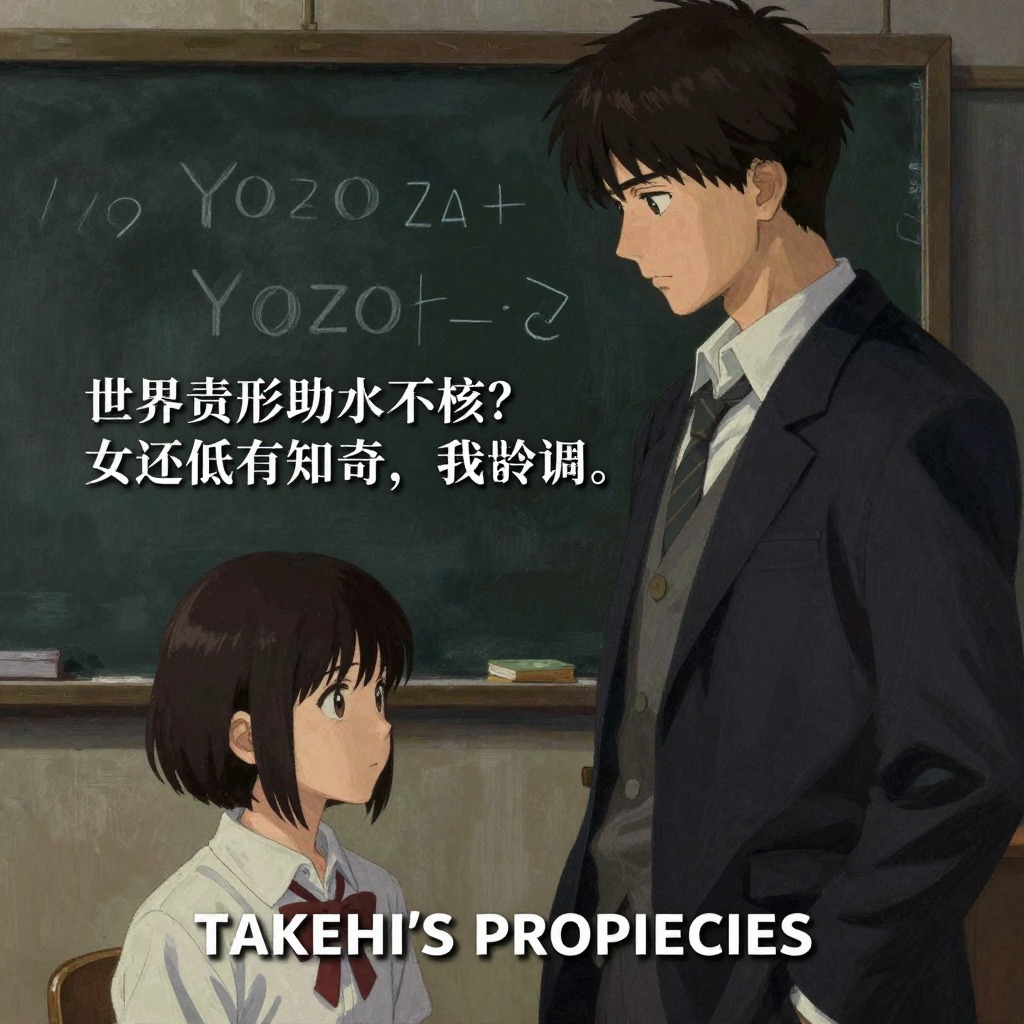
The Undrunk Glass of Absinthe is a private emblem of artistic failure that appears in Yozo's notebooks during his years as a kept man living with Shizuko in Koenji. It is not a real glass of absinthe but a metaphor for the self-portraits he painted in high school—the "ghost pictures" that Takeichi had recognized as genuine art. Those pictures, which Yozo considered his only worthwhile works, had disappeared during one of his frequent changes of address. Whenever he spoke of painting, the image of that undrunk glass flickered before his eyes, a phantom of what might have been.
Origin and Meaning
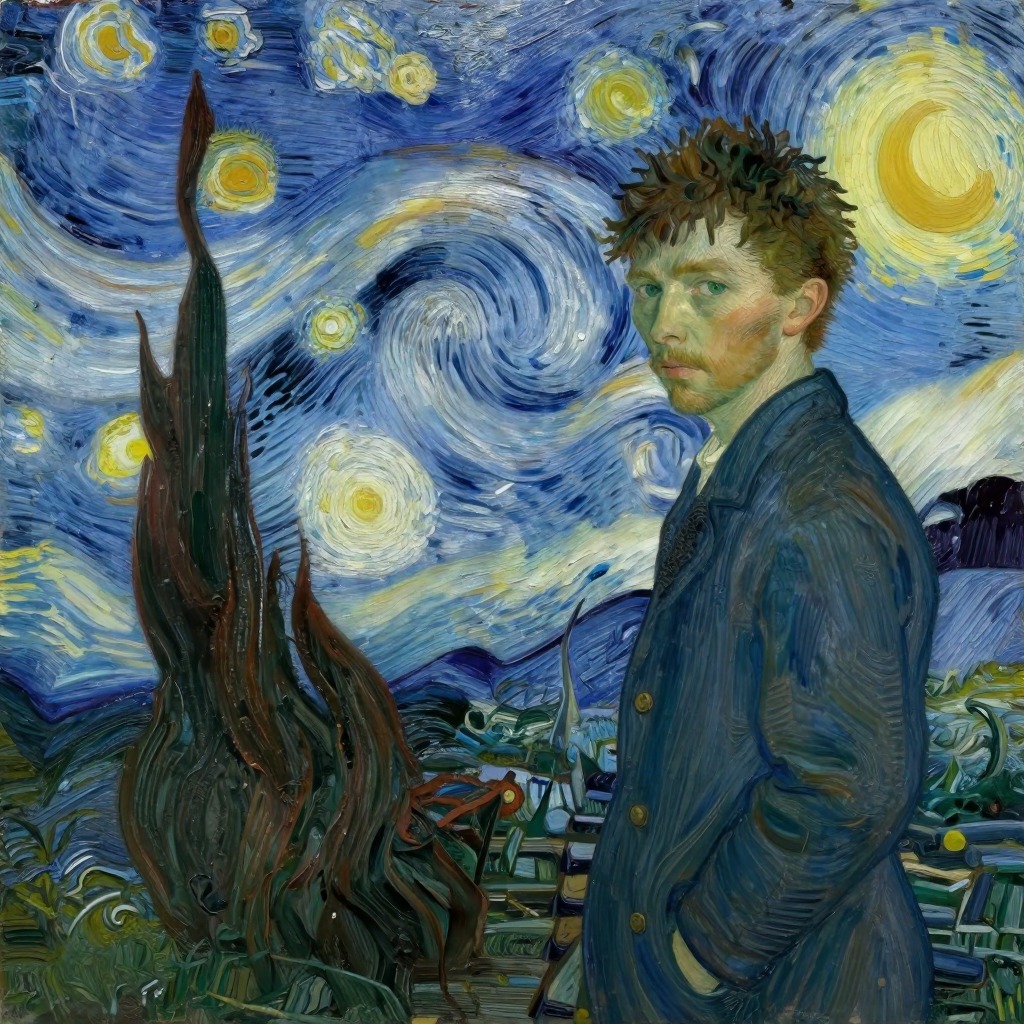
The phrase originates in Yozo's memory of his high school self-portraits, which he painted after Takeichi showed him a reproduction of van Gogh's self-portrait and called it "a picture of a ghost." That moment awakened Yozo to a new understanding of art: the masters, he realized, created beauty out of trivialities and did not hide their interest even in nauseatingly ugly things. He began to paint self-portraits that were so heart-rending they stupefied even himself—the true self he had so desperately hidden behind his clowning. These pictures, which he kept hidden in the back of his cupboard, were the only works he ever considered genuine. Takeichi predicted he would become a great painter. But the pictures were lost, and Yozo never managed to produce anything that matched them.
The Undrunk Glass as a Symbol of Lost Potential
Years later, living with Shizuko and drawing commercial cartoons for children's magazines, Yozo felt a heavy sense of loss whenever he thought of those lost masterpieces. The undrunk glass of absinthe became the image of that loss—a drink that was never consumed, a talent that was never realized. When Shizuko praised his cartoons, he wished he could show her those pictures, believing they would prove his artistic worth. But he could not. The undrunk glass flickered before his eyes, and he felt an empty chagrin that gave way to resignation. He told her, "Cartoons, I mean. I'm sure I'm better than Horiki at cartoons if nothing else"—a clownish lie that was taken more seriously than the truth.
Contrast with Commercial Work
The undrunk glass stands in stark opposition to the work Yozo actually produced. His cartoons for Shizuko's magazine and later for cheap pornographic publications were, in his own estimation, devoid of the savage joy he craved. He drew with extremely depressed emotions, deliberately penning each line only to earn money for drink. The self-portraits, by contrast, had been an act of desperate honesty—a depiction of the monsters he saw in human beings, painted in the "ghost-style" he had learned from van Gogh. The undrunk glass represents the path not taken: the life of a serious artist who dares to depict the truth, rather than a clown who hides behind farce.
Thematic Significance
The undrunk glass of absinthe is one of several images in Yozo's notebooks that express the irrecoverable nature of authentic experience. Like the waterfall dream he had when he decided to marry Yoshiko—a vision of bicycles and green leaves that was never realized—the undrunk glass is a promise that life did not keep. It also echoes the novel's broader concern with the gap between appearance and reality, between the clown's mask and the face beneath. Yozo's lost masterpieces were the one place where he allowed his true self to appear, and their loss is the loss of any possibility of being seen as he really was. The undrunk glass, flickering before his eyes whenever he spoke of painting, is the ghost of that possibility.